 by

Unique Places to Stay in Belgrade
- November 3, 2026
- Blog
Looking for unique places to stay in Belgrade? Historic buildings, river stays, design apartments and an art-filled building in the Old Town,... Read More


Food is one of the great joys of visiting Belgrade. Serbian cuisine is hearty, generous and deeply social, shaped by Balkan, Ottoman, Central European and Mediterranean influences. Meals are rarely rushed, portions are big and sharing is part of the experience. Whether you are eating in a traditional kafana, grabbing breakfast from a bakery or buying ingredients at a green market, trying Serbian food in Belgrade is one of the best ways to understand the city and its people.
In this guide we introduce 15 dishes you should try during your visit, along with traditional drinks and desserts, tips on where to eat them and how to order like a local. We love sending our guests on food adventures from our Old Town apartments, and these are the dishes they talk about most when they come back.
Come hungry, because Belgrade’s food is made for long, happy meals.
Serbian cooking celebrates simple, high-quality ingredients: grilled meats, fresh vegetables, dairy products, bread and seasonal fruit. Grilling over charcoal is central to the cuisine, as are slow-cooked stews and baked pies. Dairy products such as kajmak and fresh white cheese appear at almost every meal, and peppers, tomatoes and onions bring color and flavor, especially in summer.
Meals are social occasions. Families and friends gather around tables full of shared plates, toasting with rakija and talking for hours. That spirit of hospitality is just as important as the food itself.
Ćevapi are small grilled sausages of minced meat, usually served in a soft flatbread called lepinja with chopped onions and kajmak or ajvar. They are one of the most popular dishes in the Balkans and a perfect introduction to Serbian grill culture.
Pljeskavica is a large, flat patty of seasoned minced meat, grilled and often served in lepinja with onions, salads and sauces. Think of it as a Balkan burger, sold everywhere from street grills to sit-down restaurants.
For meat lovers, a mixed grill platter, or mešano meso, combines ćevapi, pljeskavica, sausages, pork chops, chicken and bacon. It is ideal for sharing and a classic kafana order.
This famous dish is a rolled cutlet of veal or pork, stuffed with kajmak, breaded and fried, often served with tartar sauce and potatoes. It is named after Karađorđe, leader of the First Serbian Uprising.
Sarma are cabbage leaves stuffed with minced meat and rice, slowly cooked until tender. They are especially popular in winter and at family celebrations, often served with mashed potatoes or bread.
Stuffed peppers, or punjene paprike, are filled with minced meat and rice and baked in a tomato sauce. They are a comforting, home-style dish found on many traditional menus.
Pasulj is a thick, slow-cooked bean stew, often flavored with smoked meat or sausage. It is filling, warming and a favorite on cold days in many traditional restaurants.
Riblja čorba is a rich, slightly spicy fish soup made with freshwater fish. It is especially good in Zemun’s riverside restaurants along the Danube.
Burek is flaky pastry filled with cheese, meat or spinach, baked in large round trays. Belgraders often eat it for breakfast with a glass of yogurt. Buy it fresh from a neighborhood bakery for the best experience.
Gibanica is a layered cheese pie made with thin pastry, eggs and white cheese. It is a staple at breakfast, celebrations and family gatherings.
Proja is a rustic cornbread, sometimes made with cheese, that pairs perfectly with kajmak, cheese and stews.
Kajmak is a rich, creamy dairy product, somewhere between clotted cream and soft cheese. It is served with bread, grilled meats and vegetables and is one of the most beloved flavors in Serbian cuisine.
Ajvar is a relish made from roasted red peppers, sometimes with eggplant. In late summer, many families still make it at home. Spread it on bread or eat it with grilled meat and cheese.
Šopska salad combines chopped tomatoes, cucumbers, peppers and onions, topped with grated white cheese. It is fresh, simple and the perfect partner for grilled meats.
Urnebes is a spicy cheese spread made with fresh cheese and hot peppers. Its name roughly means chaos or uproar, a nod to its fiery kick.
No Serbian meal is complete without a drink or two.
Serbian desserts reflect a mix of Ottoman and Central European traditions. Try baklava, layered with nuts and syrup, tufahije, poached apples filled with walnuts, krempita, a creamy custard slice, and vanilice, small vanilla cookies sandwiched with jam. Many cafés and patisseries in the Old Town serve these alongside coffee.
To experience Serbian food properly, plan a day around it. Start in the morning with burek and yogurt from a neighborhood bakery, eaten standing at the counter or on a bench outside, as many locals do. Then walk to a green market such as Zeleni Venac to taste seasonal fruit, try a sliver of kajmak and see the rhythm of everyday Belgrade.
For lunch, find a busy grill restaurant and order ćevapi or pljeskavica with onions and kajmak, along with a fresh šopska salad. In the afternoon, rest with a domestic coffee and a slice of krempita or baklava in a classic café, then take a walk to make room for dinner.
In the evening, settle into a kafana for a long, leisurely meal. Share starters such as urnebes, ajvar and proja, follow with sarma, stuffed peppers or karađorđeva šnicla, and finish with a small glass of rakija. If there is live music, all the better. It is a day that shows why food sits at the heart of Belgrade life.
Kafanas are the best places to try classic Serbian dishes in a relaxed, social atmosphere. Skadarlija’s kafanas add live music, while neighborhood kafanas across the city offer a more local experience. Read our kafana culture guide for more.
For ćevapi and pljeskavica, look for busy grill restaurants and street stands, especially in the evenings.
Bakeries, or pekare, are perfect for burek, gibanica and fresh bread, often from early morning.
For fish dishes and riblja čorba, head to the Danube promenade in Zemun.
Markets such as Zeleni Venac, Kalenić and Bajloni are ideal for buying kajmak, cheese, ajvar and seasonal produce to enjoy in your apartment.
Serbian cuisine is meat-heavy, but vegetarians can still eat well. Look for salads, cheese pies, proja, grilled vegetables, bean stews without meat (ask first), stuffed peppers with vegetarian fillings, mushrooms, ajvar and plenty of fresh bread and cheese. During Orthodox fasting periods, many restaurants also offer meat-free and dairy-free dishes.
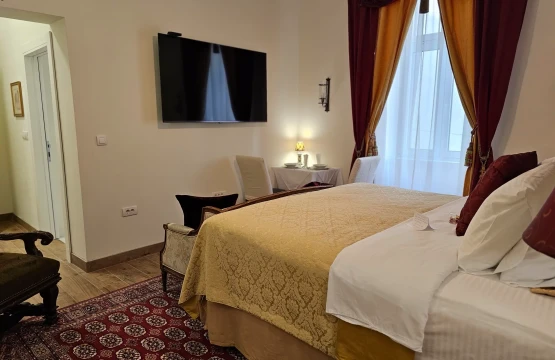
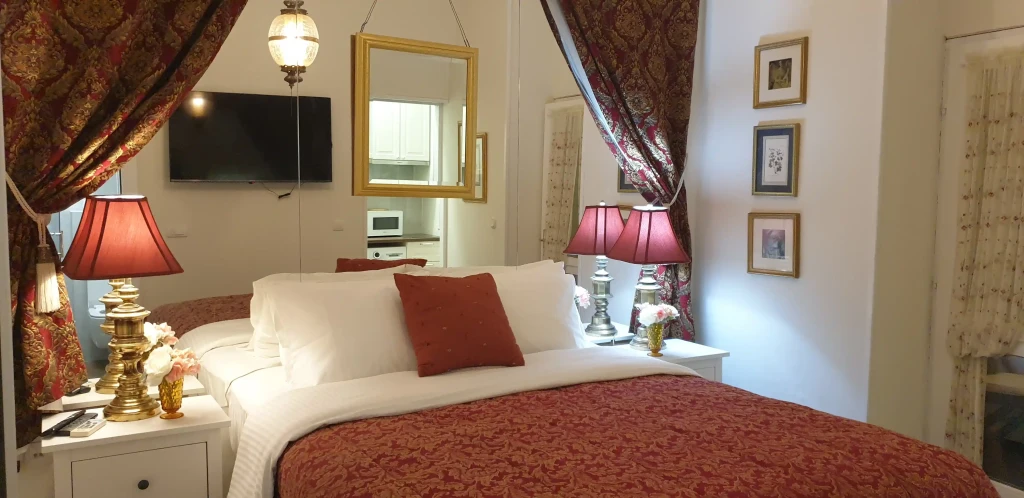
Vansvel Boutique Apartments is a perfect base for a food-filled trip. Our building at Maršala Birjuzova 12, between Kosančićev Venac and Zeleni Venac in the Old Town, is just next to Zeleni Venac market and a short walk from Skadarlija’s kafanas, Dorćol’s bistros and countless bakeries. The free airport bus 72 stops nearby at Zeleni Venac.
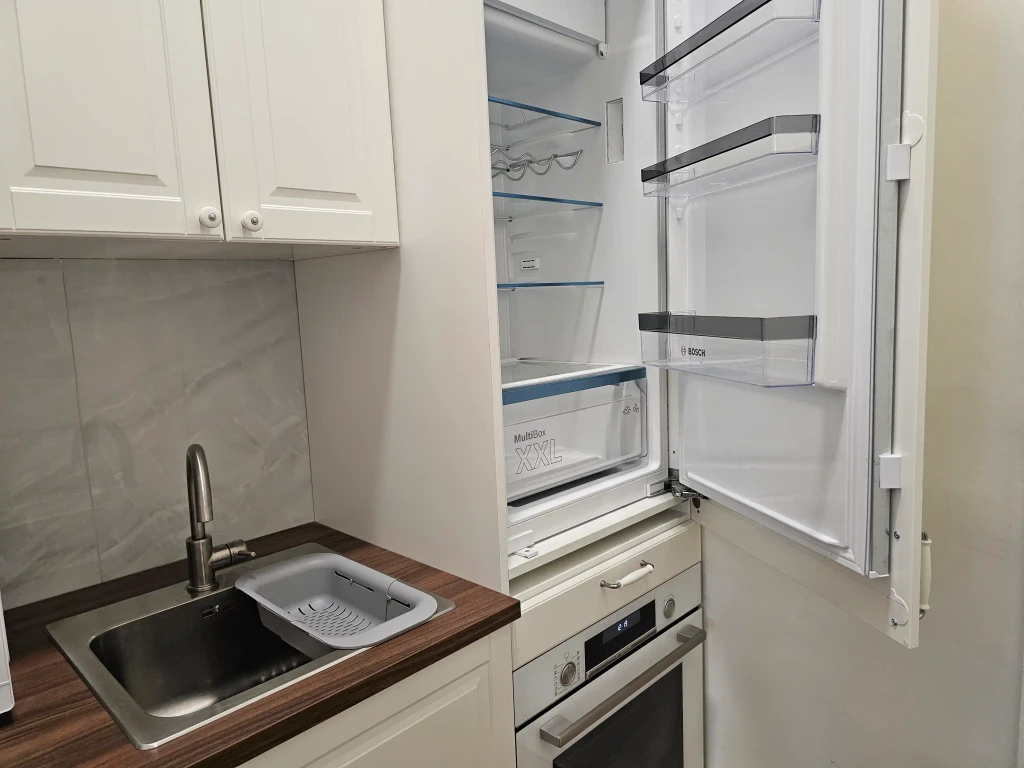
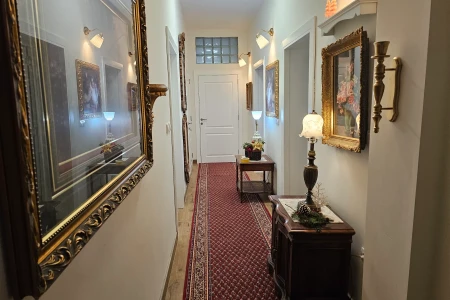
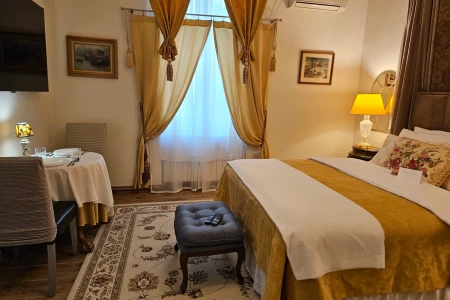
Our studios and one-bedroom apartment include a full kitchen, so you can enjoy kajmak, ajvar and market produce at home, and every unit has air conditioning and free Wi-Fi. The building is filled with hand-painted ceilings, antiques and original art. Explore Unit #14 or Unit #8 and check availability.

Ćevapi and pljeskavica are among the most famous, along with sarma, karađorđeva šnicla, burek, kajmak and ajvar.
Try burek or gibanica from a bakery, often with yogurt, or bread with kajmak, cheese and ajvar.
Most Serbian food is not very spicy, though dishes like urnebes and some peppers can be hot. Ask if you are unsure.
Yes. Salads, cheese pies, grilled vegetables, bean dishes, proja and many fasting-friendly options make vegetarian eating possible.
Rakija is a strong fruit brandy, often made from plums, and is a key part of Serbian hospitality.
Serbian food in Belgrade is generous, flavorful and best enjoyed slowly with good company. From ćevapi and burek to sarma, kajmak and rakija, every dish tells a story of the region’s history and hospitality. Explore kafanas, bakeries, markets and riverside restaurants, and you will discover one of Europe’s most satisfying food cultures.
If you would like to stay right next to a green market and minutes from the best kafanas, we would love to welcome you to the Old Town. Choose your dates and start planning your Belgrade food adventure.


Looking for unique places to stay... Read More
Why Kosančićev Venac is the best... Read More

Should you use Booking.com or book... Read More

Latest Comments