 by
Unique Places to Stay in Belgrade
- November 3, 2026
- Blog
Looking for unique places to stay in Belgrade? Historic buildings, river stays, design apartments and an art-filled building in the Old Town,... Read More


If there is one place that captures the soul of Belgrade, it is the kafana. Part tavern, part restaurant, part social club, the kafana is where Belgraders have gathered for generations to eat, drink, talk, sing and celebrate. A long evening in a Belgrade kafana, with plates of grilled meat, glasses of rakija and musicians playing old city songs at your table, is one of the most authentic experiences the city offers.
In this guide we explain what a kafana is, its history, what to expect when you visit, what to order, how to behave when the musicians arrive, where to find the most atmospheric kafanas and tips for making the most of the experience. We send many of our guests to kafanas from our Old Town apartments, including the famous “?” kafana just a few minutes’ walk away.
If you want to experience Belgrade like a local, a night in a kafana is essential.
The word kafana comes from kafa, meaning coffee, a reminder that the first kafanas were coffeehouses introduced during the Ottoman period. Over time, they evolved into taverns serving food and drink, places where people met to discuss politics, business, art and everyday life.
Today, a kafana is a traditional Serbian restaurant with a relaxed, social atmosphere. Expect wooden furniture, checked or white tablecloths, generous portions of home-style food, rakija and wine, and often live music in the evenings. Some kafanas are elegant and historic, while others are simple neighborhood places loved by locals.
Kafanas have been central to Belgrade’s social life for centuries. In the 19th and early 20th centuries, they were meeting places for writers, artists, politicians and students. Some kafanas became famous as the places where newspapers were planned, poems were written and political movements were discussed.
Skadarlija, the bohemian street in the Old Town, became the heart of this culture in the late 19th and early 20th centuries, when poets, actors and artists gathered in its taverns. The poet Đura Jakšić lived in the area, and a statue of him stands in the street today. Many of Skadarlija’s kafanas still operate, keeping the bohemian spirit alive.
A visit to a kafana is not a quick meal. It is an experience that can last for hours.
Kafanas are lively and social. Tables of friends and families share food, toast frequently and talk loudly. In the evening, especially on weekends, the atmosphere can become festive and even emotional when the music starts.
Waiters in traditional kafanas are often professional, experienced and proud of their work. They will happily recommend dishes, though they may not hurry you. Ask for the bill when you are ready.
Many kafanas have live music in the evenings. Musicians play old city songs, known as starogradske pesme, and folk tunes, often moving between tables and playing requests.
Kafana menus focus on traditional Serbian food. A typical meal might include:
Order several dishes for the table and share. Our Serbian food guide explains each dish in detail.
When the musicians come to your table, it is part of the fun. Here is how to enjoy it like a local.
Rakija is often served at the start of a meal. When toasting, raise your glass, make eye contact with everyone at the table and say “Živeli” (cheers). It is considered polite to look people in the eye when clinking glasses. Sip rakija slowly; it is strong and meant to be savored.
Opposite the Orthodox Cathedral in Kosančićev Venac stands the kafana known as “?”, or Znak pitanja. It dates from the 1820s and is often described as Belgrade’s oldest kafana. Its unusual name comes from a 19th-century dispute: when the owner named it after the nearby church, church authorities objected, and a question mark was placed on the sign while a new name was decided. It never changed, and the “?” remains one of the city’s most famous landmarks.
Because it is popular with visitors, it is worth checking recent reviews and menu prices before you go.
Skadarlija is the most famous place to experience kafana culture. This short, cobbled street near Republic Square is lined with traditional kafanas, some dating back to the 19th century, such as Tri šešira and Dva jelena. In the evening, musicians play between the tables and the street comes alive with diners.
Skadarlija is touristy, but it is also genuinely atmospheric, especially on a warm summer evening. Book ahead on weekends and check menus and prices before ordering.
For a more local experience, look for kafanas outside the main tourist areas. Neighborhood kafanas in Vračar, Dorćol, Zemun and other districts are often where Belgraders celebrate birthdays, family gatherings and Sunday lunches. They may be simpler in style, but the food and atmosphere are often excellent, and prices can be lower.
Ask your host or locals for their favorite neighborhood kafana. Recommendations from people who live nearby are usually the best guide.
In recent years, some restaurants have reinvented the kafana for a new generation, combining traditional dishes with modern presentation, lighter cooking and carefully chosen Serbian wines. These modern kafanas keep the social spirit alive while appealing to food lovers looking for something a little different.
Begin with a sunset walk at Kalemegdan, then stroll through Kosančićev Venac to the “?” kafana for a glass of rakija in a historic setting. Continue to Skadarlija or a neighborhood kafana for dinner, ordering a spread of starters, salads and grilled meats to share. When the musicians arrive, raise your glass, enjoy the songs and let the evening stretch late into the night.
Kafanas are not just for tourists or special nights out. Belgraders use them for long weekend lunches with family, business meals, birthday celebrations, wakes and reunions. You will see grandparents and grandchildren at the same table, colleagues loosening their ties after work and groups of friends singing along with the band. Visiting at different times shows different sides of kafana life, from quiet, sunny lunches on a terrace to lively, music-filled evenings that last well past midnight.
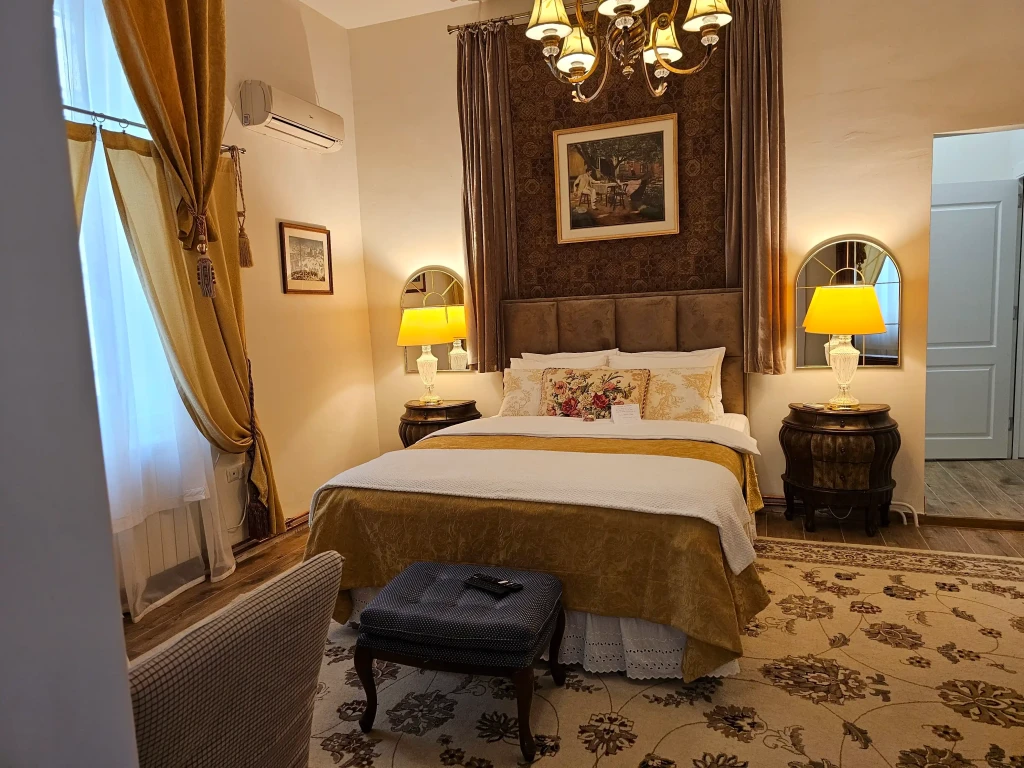
Vansvel Boutique Apartments is a perfect base for exploring kafana culture. Our building at Maršala Birjuzova 12, between Kosančićev Venac and Zeleni Venac in the Old Town, is a few minutes’ walk from the “?” kafana and a short stroll from Skadarlija. After a long kafana evening, you can walk home to a calm, art-filled building.
Our studios, one-bedroom apartment and queen rooms all have air conditioning and free Wi-Fi, and the studios and one-bedroom apartment include a full kitchen and washer-dryer. Explore Unit #19 or Unit #8 and check availability.
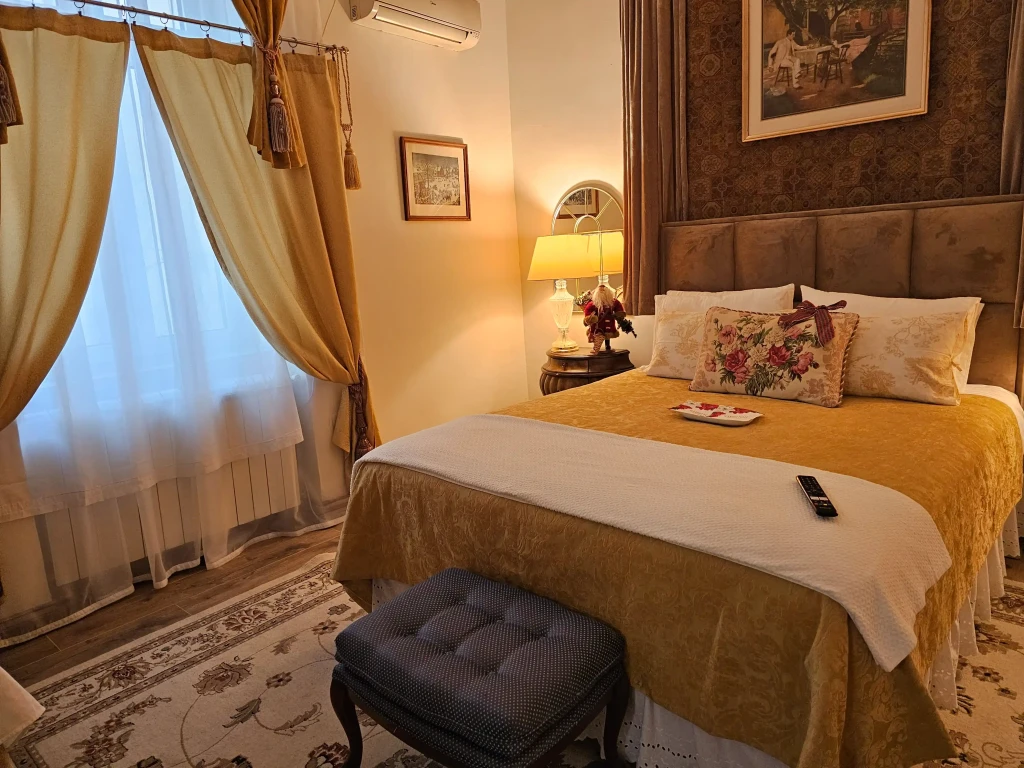
A kafana is a traditional Serbian tavern and restaurant serving home-style food, rakija and wine, often with live music, in a relaxed, social atmosphere.
The kafana known as “?” (Znak pitanja), opposite the Orthodox Cathedral, dates from the 1820s and is often described as Belgrade’s oldest.
If musicians play at your table, it is customary to tip them, usually with a banknote.
Try kajmak, ajvar, šopska salad, grilled meats such as ćevapi and pljeskavica, sarma and karađorđeva šnicla, with rakija or Serbian wine.
Yes. Skadarlija is touristy but atmospheric, especially for dinner with live music on a warm evening.
A night in a Belgrade kafana is about much more than food. It is about music, conversation, toasts and the warmth of Serbian hospitality. Visit the historic “?” kafana, enjoy an evening in Skadarlija and seek out a neighborhood favorite, and you will understand why kafanas remain at the heart of Belgrade life.
If you would like to stay a few minutes’ walk from Belgrade’s most famous kafanas, we would love to welcome you to the Old Town. Choose your dates and get ready to raise a glass.


Looking for unique places to stay... Read More
Why Kosančićev Venac is the best... Read More

Should you use Booking.com or book... Read More

Latest Comments