 by
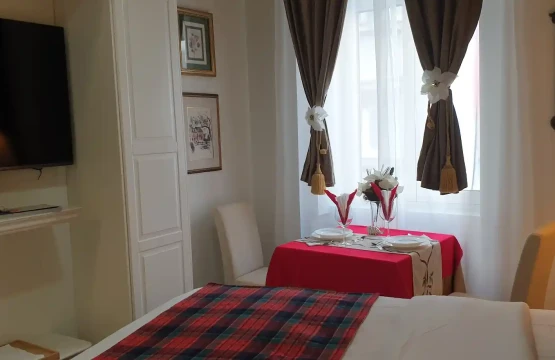
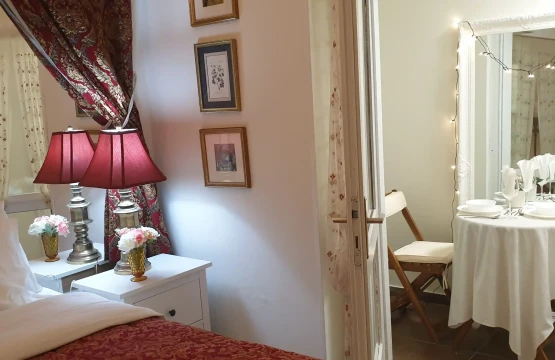
Unique Places to Stay in Belgrade
- November 3, 2026
- Blog
Looking for unique places to stay in Belgrade? Historic buildings, river stays, design apartments and an art-filled building in the Old Town,... Read More


Belgrade’s museums tell the story of a city and a region shaped by empires, revolutions, art and invention. From priceless medieval manuscripts and European masterpieces to the tomb of Josip Broz Tito and the personal belongings of Nikola Tesla, the city’s collections are as varied as its history. Whether you are a history buff, an art lover, a science fan or traveling with children, Belgrade museums offer a fascinating way to spend a morning, an afternoon or a rainy day.
This guide introduces the best museums in Belgrade, what each one offers, how much time to allow and practical tips for planning your visits. We recommend these museums to our guests in the Old Town every week, and many of the best are within walking distance of our building.
Check opening days before you go, as many museums in Belgrade close on Mondays.
The National Museum on Republic Square is Serbia’s largest and oldest museum and the best place to start. Its collections span archaeology, medieval Serbian art, icons, coins and works by European and Serbian painters. After a long renovation, the museum reopened in 2018 with modern galleries that make the collections easy to explore.
Allow two to three hours. The museum is in the heart of the Old Town, a short walk from Knez Mihailova.
The Museum of Yugoslavia, in the green Dedinje area, is essential for understanding the region’s 20th-century history. The complex includes the House of Flowers, where Josip Broz Tito is buried, along with exhibitions on Yugoslav politics, culture and everyday life, and collections of gifts Tito received from around the world.
Allow around two hours, and take a bus or taxi from the center.
The Nikola Tesla Museum is dedicated to the famous inventor, with his personal belongings, documents, technical drawings and working demonstrations of some of his inventions. The urn containing his ashes is also kept here. The museum is currently located in a villa on Krunska Street in Vračar, and a new, larger museum building is planned for the future, so check the latest location and opening hours before visiting.
Guided tours with demonstrations are popular, so arrive early or check tour times.
Across the Sava in New Belgrade, the Museum of Contemporary Art occupies a striking modernist building surrounded by a sculpture park near the river. Its collection focuses on modern and contemporary art from Yugoslavia and Serbia, with changing exhibitions throughout the year.
Allow one to two hours, and combine your visit with a walk along the riverside parks of Ušće.
On Studentski Trg, near Knez Mihailova, the Ethnographic Museum presents traditional costumes, textiles, jewelry, tools and everyday objects from across Serbia and the Balkans. It is a great introduction to rural traditions and folk culture.
Inside the Belgrade Fortress, the Military Museum covers centuries of military history in the region, from ancient weapons to 20th-century conflicts. Outside, tanks, cannons and artillery are displayed in the fortress moats.
The Museum of Applied Art, in the Old Town, displays decorative arts, furniture, textiles, ceramics, jewelry and design from different periods. It is a hidden gem for design lovers.
In Kosančićev Venac, the Residence of Princess Ljubica is a beautifully preserved 19th-century palace that shows how Belgrade’s elite lived in the early years of modern Serbia. Period furniture and interiors bring the era to life.
Located in the Patriarchate building opposite the Orthodox Cathedral, this museum holds icons, manuscripts, liturgical objects and religious art spanning centuries.
In Dorćol, the Jewish Historical Museum tells the story of Jewish communities in Serbia and the former Yugoslavia, including their traditions, contributions and the tragedy of the Holocaust.
Housed in a historic building in Dorćol, the Museum of Science and Technology showcases inventions, machines and scientific developments, with interactive exhibits that appeal to families and curious minds.
Near Nikola Tesla Airport, the Museum of Aviation is housed in a distinctive glass dome and displays historic aircraft and aviation memorabilia. It is a good stop for aviation fans, especially if you have time before a flight.
On Knez Mihailova Street, the Zepter Museum presents a collection of Serbian art from the second half of the 20th century onward in an elegant historic building.
If art is your passion, Belgrade offers a rewarding trail. Begin at the National Museum, where medieval frescoes and icons sit alongside Serbian painters of the 19th and 20th centuries and works by European masters. Continue to the Zepter Museum on Knez Mihailova for later Serbian art, then cross the river to the Museum of Contemporary Art for modern and contemporary works from across the former Yugoslavia.
Between museums, look out for smaller galleries in the Old Town and Dorćol, where local artists exhibit painting, sculpture, photography and design. The art pavilion in Kalemegdan Park also hosts changing exhibitions, and Knez Mihailova itself is lined with galleries and bookshops.
Art lovers should also take time to notice Belgrade’s architecture and public art, from the facades of Knez Mihailova and Terazije to murals in Savamala and Dorćol. The city’s cultural life is not confined to museum walls, and some of its most striking works are found simply by walking its streets.
History lovers can follow Belgrade’s story from Roman Singidunum to modern times. Explore the Belgrade Fortress and Military Museum for centuries of conflict and conquest, then visit the Residence of Princess Ljubica for the early years of modern Serbia. The Museum of Yugoslavia covers the 20th century, while the Jewish Historical Museum and the Museum of the Serbian Orthodox Church add important perspectives on the communities and faiths that shaped the city.
Many Belgrade museums close on Mondays, and hours can vary by season. Check official websites before you go.
The National Museum, Ethnographic Museum, Museum of Applied Art, Zepter Museum, Residence of Princess Ljubica and the Museum of the Serbian Orthodox Church are all in or near the Old Town. The Museum of Yugoslavia and the Tesla Museum are a short ride away, while the Museum of Contemporary Art is across the river.
Some museums offer guided tours in English, which add context and stories you might otherwise miss.
Entry fees are generally modest compared with many European capitals. Some museums offer free entry on certain days, so check in advance.
Families will enjoy the Museum of Science and Technology, the Nikola Tesla Museum’s demonstrations, the Military Museum’s outdoor displays and the Museum of Aviation’s aircraft. Combine a museum visit with time in Kalemegdan Park or the Belgrade Zoo to keep children entertained. Our guide to Belgrade with kids has more ideas.
Belgrade’s museums are perfect for rainy or very hot days. Spend a morning at the National Museum, have lunch in the Old Town and visit the Museum of Yugoslavia or the Tesla Museum in the afternoon. Our rainy day in Belgrade guide has more indoor ideas.
Start at the National Museum on Republic Square when it opens. After lunch near Knez Mihailova, walk to the Ethnographic Museum on Studentski Trg, then continue to Kosančićev Venac to visit the Residence of Princess Ljubica and the Museum of the Serbian Orthodox Church. Finish with sunset at Kalemegdan, just a few minutes away. On another day, combine the Museum of Yugoslavia with the Tesla Museum.
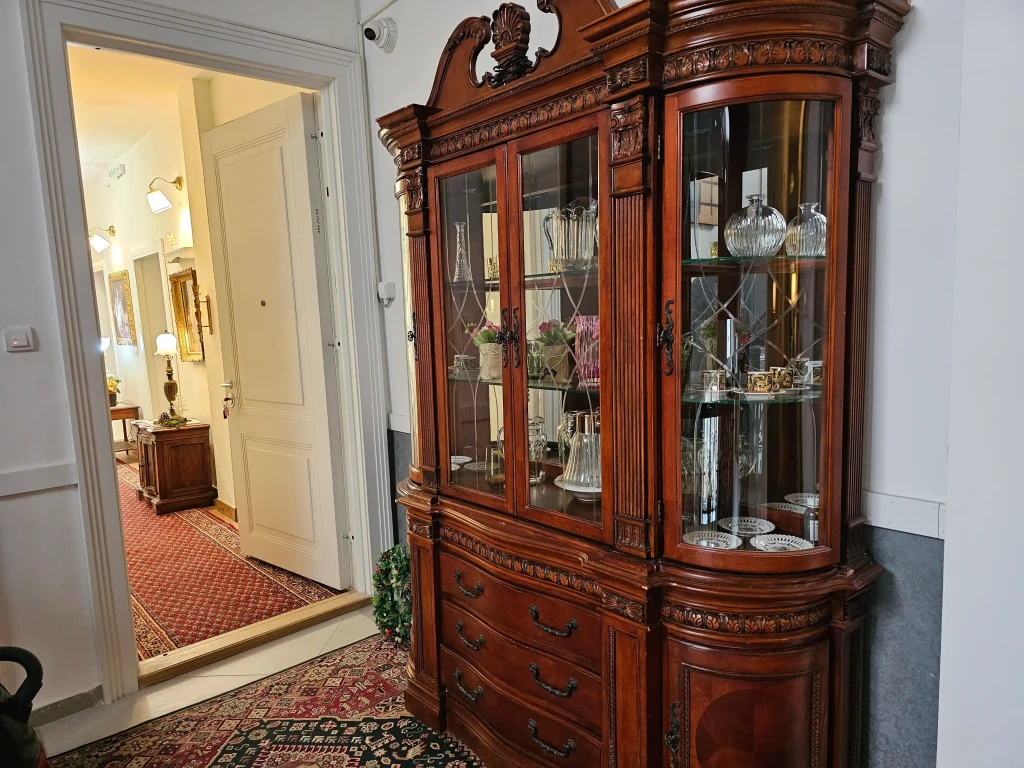
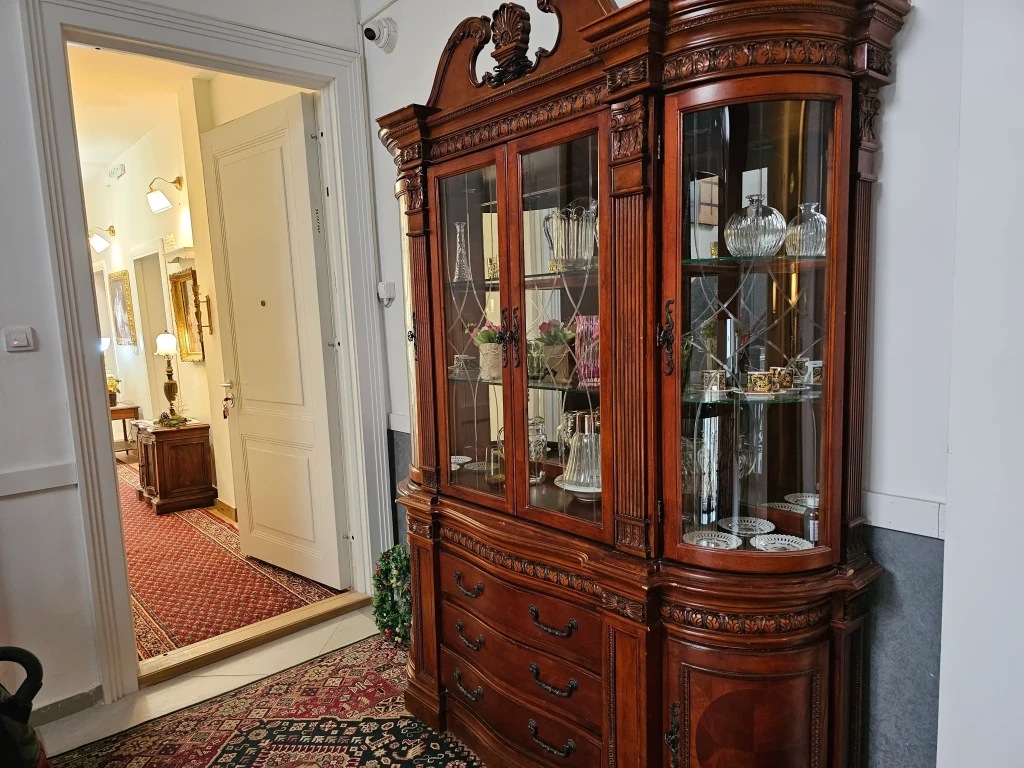
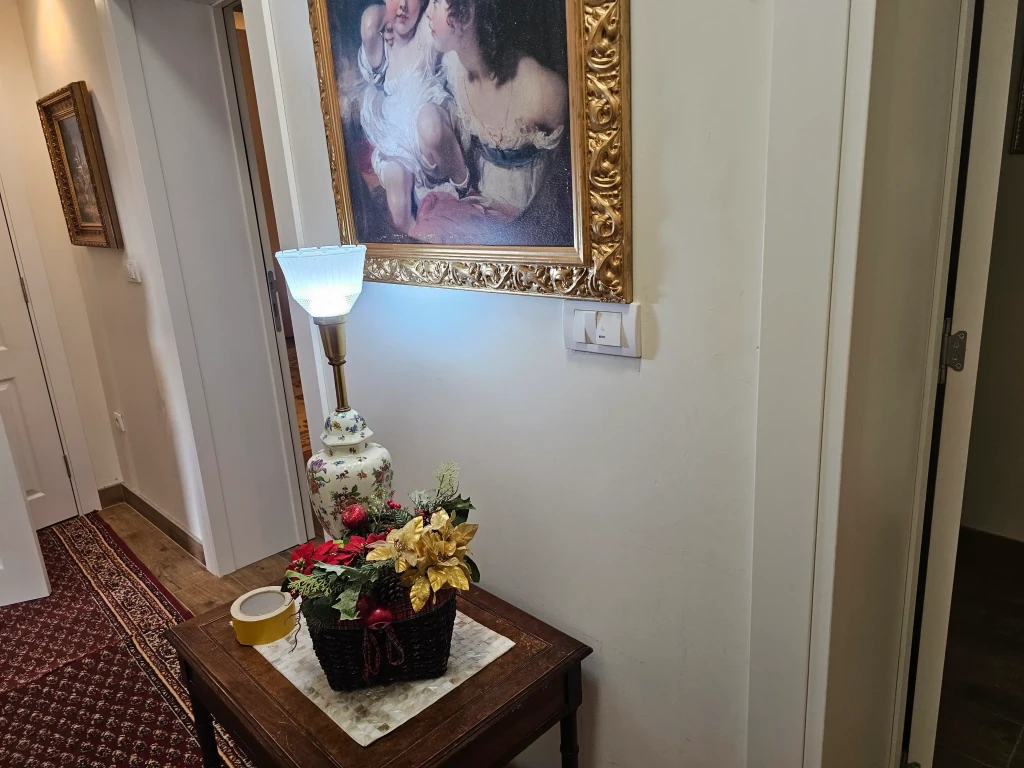
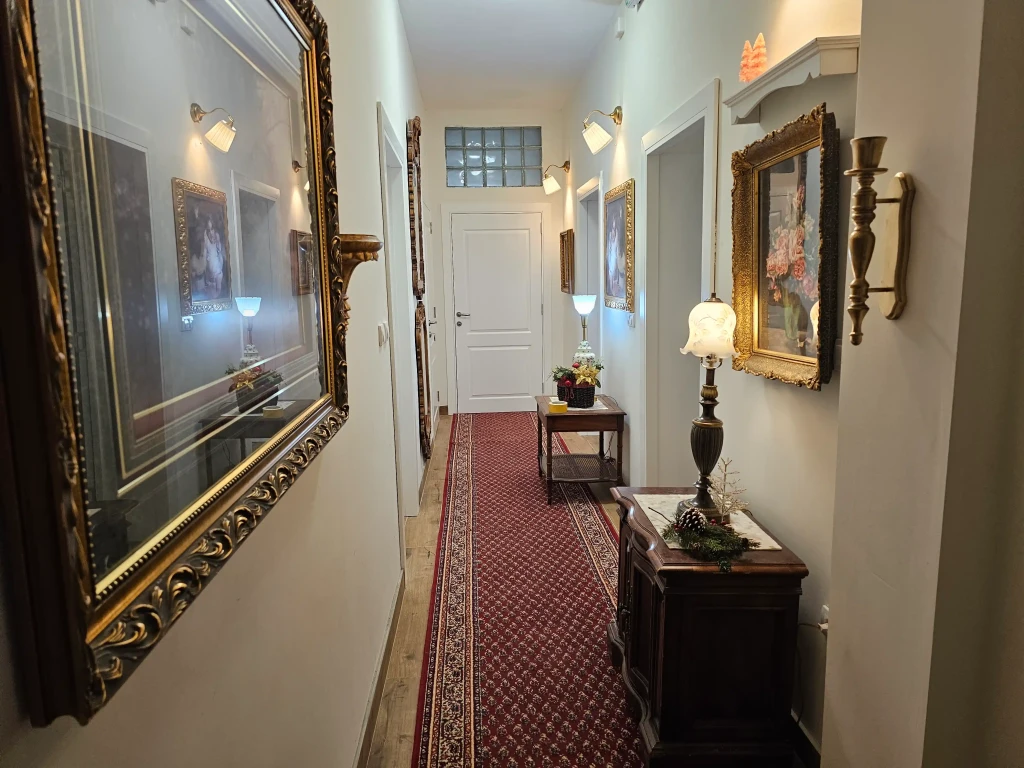
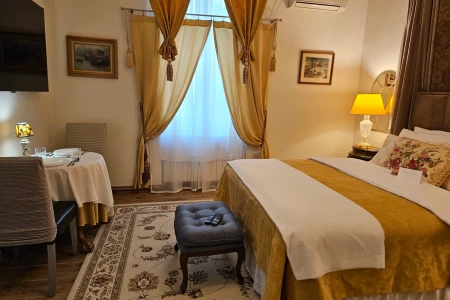
Vansvel Boutique Apartments is a great base for museum lovers. Our building at Maršala Birjuzova 12, between Kosančićev Venac and Zeleni Venac in the Old Town, is a short walk from the National Museum, the Residence of Princess Ljubica, the Museum of the Serbian Orthodox Church and Knez Mihailova. The building itself, restored over more than twenty years by co-owner and art historian Slavica Bjelica, feels like a small living museum, with hand-painted ceilings, antiques and original artworks.
Our studios, one-bedroom apartment and queen rooms all have air conditioning and free Wi-Fi, and the studios and one-bedroom apartment include a full kitchen and washer-dryer. Explore Unit #7 or Unit #19 and check availability.
The National Museum of Serbia and the Museum of Yugoslavia are often considered the best, followed by the Nikola Tesla Museum and the Museum of Contemporary Art.
Many museums in Belgrade close on Mondays. Always check opening days and hours before visiting.
Josip Broz Tito is buried in the House of Flowers, part of the Museum of Yugoslavia complex in Belgrade.
Yes, especially for science fans. Demonstrations of Tesla’s inventions are a highlight. Check the current location and hours, as a new museum building is planned.
Entry fees are generally modest compared with many European capitals, and some museums offer free entry on certain days.
Belgrade museums bring the city’s layered history to life, from medieval art and folk traditions to Yugoslav history, contemporary art and the genius of Nikola Tesla. Plan by area, check opening days and mix museum visits with walks and cafés for a rich and rewarding stay.
If you would like to stay within walking distance of many of Belgrade’s best museums, in a building that feels like a museum itself, we would love to welcome you. Choose your dates and start exploring.


Looking for unique places to stay... Read More
Why Kosančićev Venac is the best... Read More

Should you use Booking.com or book... Read More

Latest Comments