 by
Unique Places to Stay in Belgrade
- November 3, 2026
- Blog
Looking for unique places to stay in Belgrade? Historic buildings, river stays, design apartments and an art-filled building in the Old Town,... Read More


Understanding money before you travel saves time, stress and unnecessary fees. In Belgrade, the currency is the Serbian dinar, cards are widely accepted, ATMs are easy to find and exchange offices are on almost every central street. Still, there are a few local habits and common traps worth knowing about, from dynamic currency conversion at ATMs to which places still prefer cash. This guide explains everything visitors need to know about currency in Belgrade.
We cover the Serbian dinar, paying by card, using ATMs, exchanging money, whether euros are accepted, tipping, budgeting and how to avoid extra charges. We answer money questions from our guests in the Old Town all the time, so this guide is based on the practical issues travelers actually face.
Read this before you go and you will handle money in Belgrade like a local.
Serbia’s official currency is the Serbian dinar, abbreviated RSD and often written as “din.” on price tags. Prices in shops, restaurants, cafés and markets are shown in dinars.
Dinars come in banknotes for larger amounts and coins for small change. Banknotes go up to 5,000 dinars, while coins are used for small sums. It is useful to keep some smaller notes for markets, cafés, tips and taxis, as small businesses may struggle to change large banknotes.
The dinar is not usually available outside Serbia, so most visitors get dinars on arrival from ATMs or exchange offices.
Generally, no. Although you may see some prices quoted in euros, particularly for accommodation, real estate or tours, everyday purchases in shops, restaurants, cafés, markets and taxis are paid in dinars. Plan to pay in dinars by card or cash.
Cards are widely accepted in Belgrade, especially Visa and Mastercard. You can pay by card in most shops, supermarkets, malls, restaurants, cafés and hotels, and contactless payments are common.
Still, carry some cash for:
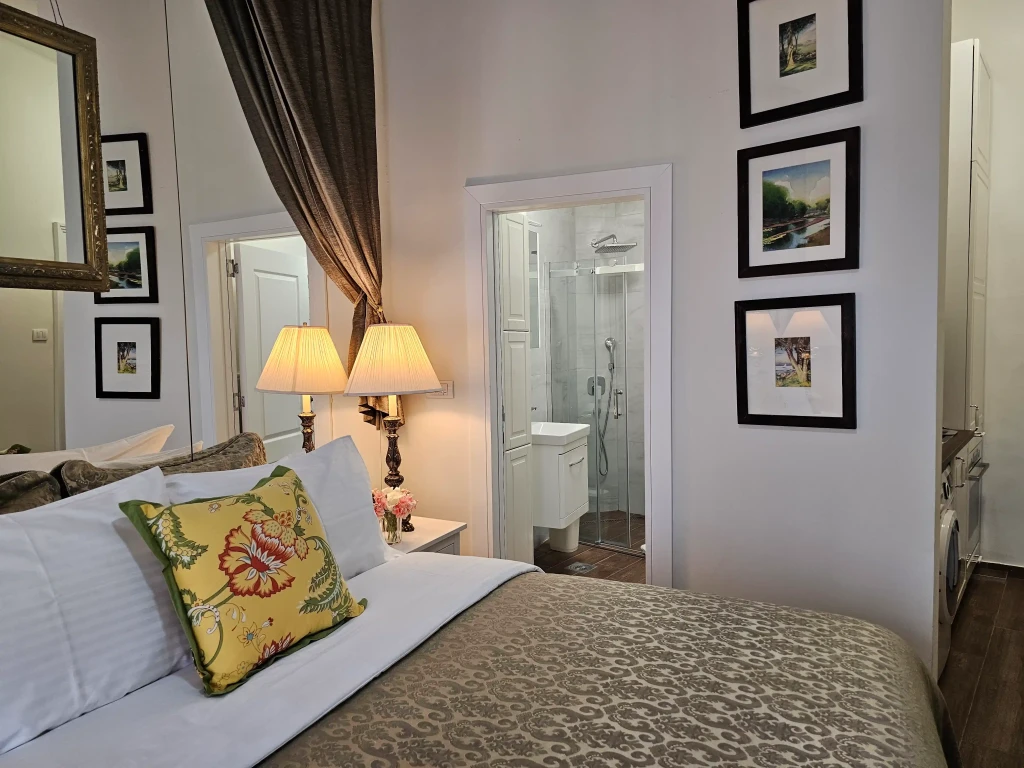
ATMs are easy to find throughout the city and at the airport. They are the most convenient way to get dinars. Follow these tips to avoid extra costs:
When you pay by card or use an ATM, you may be offered the option to pay in your home currency instead of dinars. This is called dynamic currency conversion, and it usually comes with a worse exchange rate. Always choose to pay in dinars, and let your own bank handle the conversion.
Exchange offices, called menjačnica, are common in central Belgrade, especially around Knez Mihailova, Republic Square and other busy streets. They often offer competitive rates for euros and other major currencies.
Bringing some euros to exchange can be useful as a backup, but ATMs and cards are usually the simplest option.
Tipping is appreciated but not mandatory. Here are common practices:
Tips are often left in cash, even when you pay by card.
Belgrade is generally good value compared with many Western European capitals. Food, coffee, public transport and many attractions cost less, while international brands are priced similarly. Since January 2025, city public transport has been free for all passengers, which helps keep daily costs down.
Read our guide to how much a trip to Belgrade costs for a full breakdown of typical expenses.
A local tourist tax is charged per person per night in Belgrade. Some accommodation includes it in the price, while others add it separately. Check when booking, and ask your host how payment works, including any deposit and the currency used.
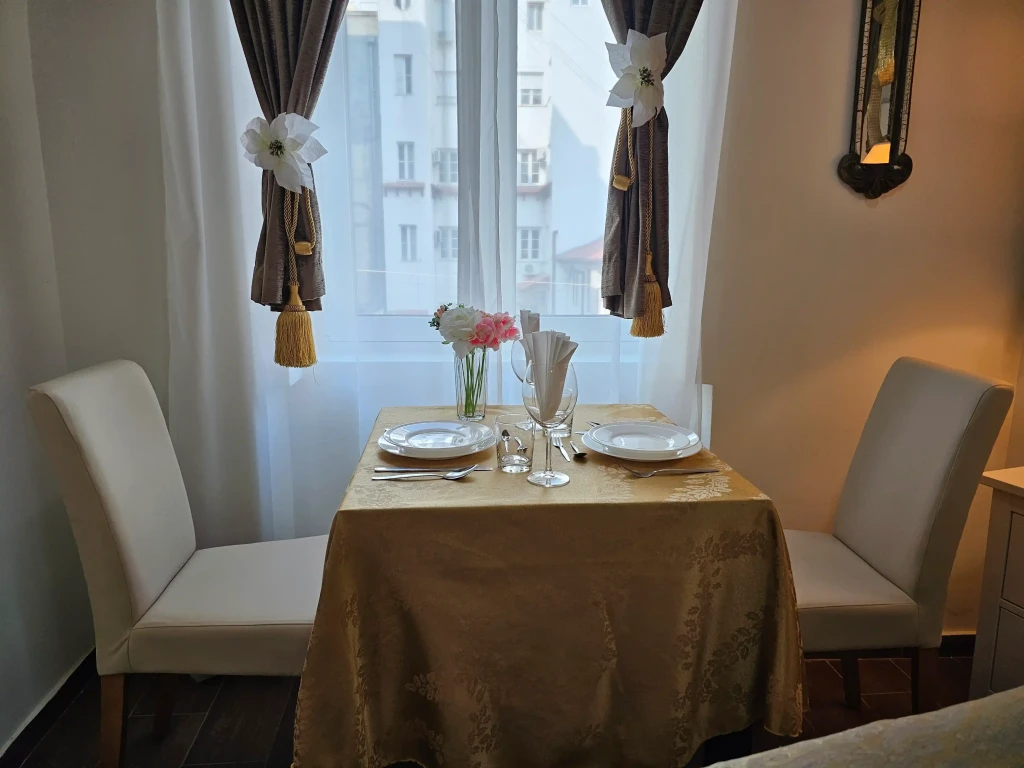
It helps to know what kinds of purchases you will make most often during a stay in Belgrade. Coffee and pastries are everyday expenses, usually paid by card in cafés and with cash in small bakeries and kiosks. Meals in kafanas and restaurants are typically paid by card, with a cash tip left on the table.
Markets are mostly cash-based, so keep small notes for fruit, cheese, kajmak and honey. Museums and attractions accept cards at most ticket desks, though smaller sites may prefer cash. Taxis ordered by phone or app often accept cards, but carrying some cash is still sensible, especially late at night.
Larger expenses, such as accommodation, tours and shopping in malls, are usually easiest by card. Keeping track of your spending in dinars, rather than constantly converting to your home currency, makes budgeting simpler and helps you notice if a price seems unusually high.
Banks in Belgrade are usually open on weekdays and sometimes on Saturday mornings, with ATMs available around the clock. If you need help with a card problem, contact your own bank first, as local banks can only assist with their own machines and services.
Our honest guide on whether Belgrade is safe has more general safety tips.
Contactless payments with cards and phones are increasingly common in Belgrade shops, malls, cafés and restaurants. If you rely on mobile wallets, it is still wise to carry a physical card and some cash, as not every small business accepts them.
Withdraw a modest amount of dinars on arrival for small purchases and tips, and pay by card for most other expenses.
Consider opening a travel-friendly account with low foreign fees, and withdraw larger amounts less frequently to reduce charges.
Use free public transport, eat at bakeries and kafanas, shop at markets with cash and enjoy the city’s many free attractions.
Before you go, check your card fees and tell your bank you are traveling. On arrival at the airport, withdraw a small amount of dinars from a bank ATM, choosing to be charged in dinars. In the city, pay by card wherever possible, keep small notes for markets, tips and kiosks, and top up your cash from bank ATMs or exchange offices when needed. Keep a backup card and some euros in a safe place in your accommodation.
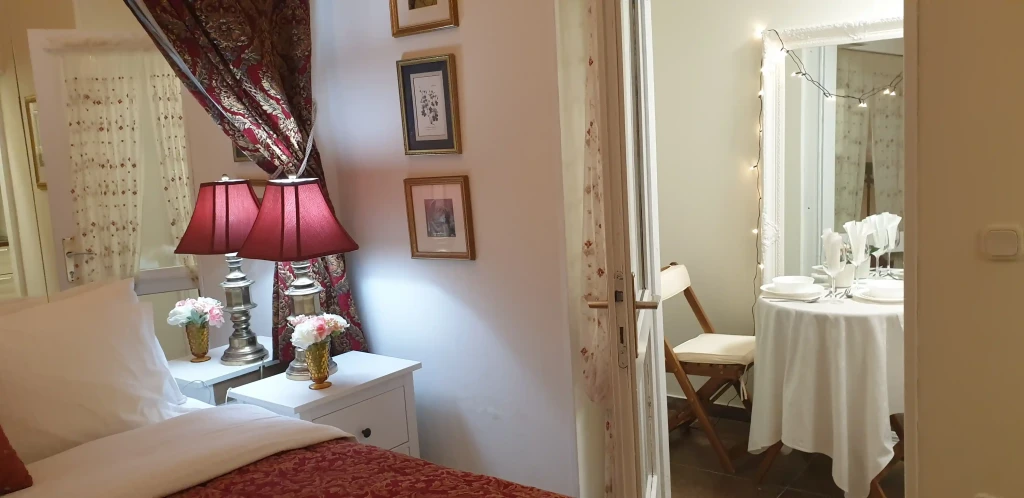
Vansvel Boutique Apartments helps you get great value from your Belgrade trip. Our building at Maršala Birjuzova 12, between Kosančićev Venac and Zeleni Venac in the Old Town, is surrounded by banks, ATMs, exchange offices, bakeries and markets, and the free airport bus 72 stops nearby at Zeleni Venac, saving you money from the moment you land.
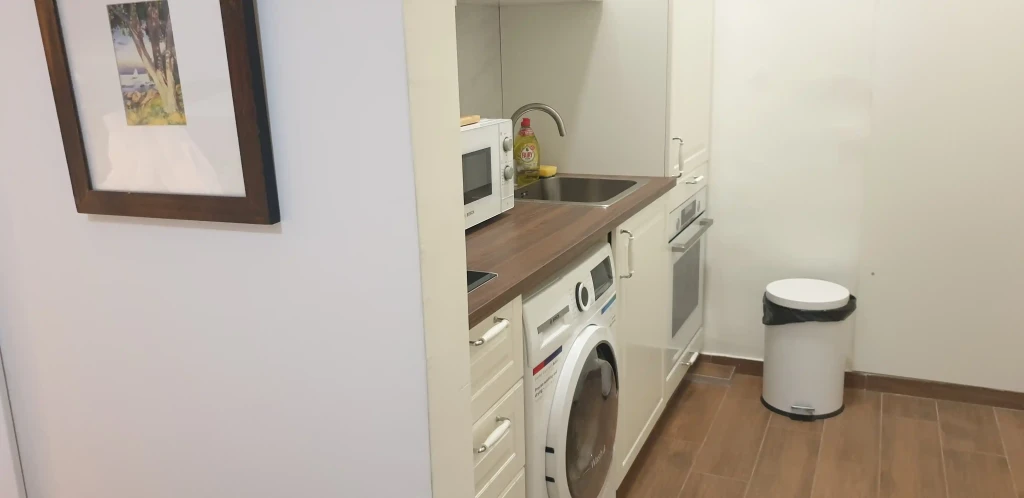
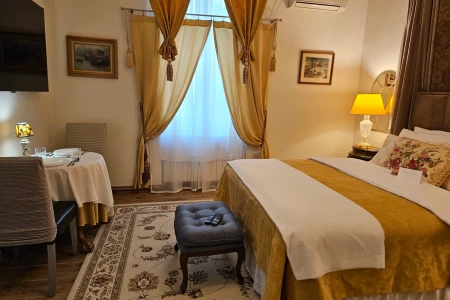
Our studios and one-bedroom apartment include a full kitchen and washer-dryer, helping you save on meals and laundry, and every unit has air conditioning and free Wi-Fi. Explore Unit #7 or Unit #19 and check live rates for your dates.
The Serbian dinar (RSD) is the official currency. Prices are shown in dinars, and everyday purchases are paid in dinars.
Generally, no. Some prices may be quoted in euros, but you will usually pay in dinars by card or cash.
Yes, Visa and Mastercard are widely accepted, but carry some cash for markets, small shops and tips.
Official exchange offices (menjačnica) in the city center often offer good rates. Avoid street money changers.
Always choose dinars when paying by card or using an ATM, to avoid poor exchange rates from dynamic currency conversion.
Money in Belgrade is simple once you know the basics: pay in Serbian dinars, use cards where possible, withdraw cash from bank ATMs, avoid dynamic currency conversion and keep small notes for markets and tips. With these habits, you will save money and avoid surprises.
If you would like a central, good-value base surrounded by banks, markets and cafés, we would love to welcome you to the Old Town. Choose your dates and plan your Belgrade trip today.


Looking for unique places to stay... Read More
Why Kosančićev Venac is the best... Read More

Should you use Booking.com or book... Read More

Latest Comments