 by
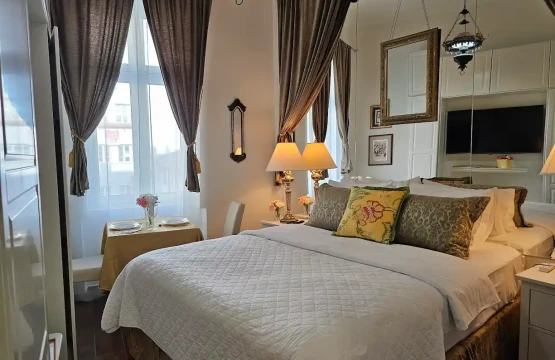
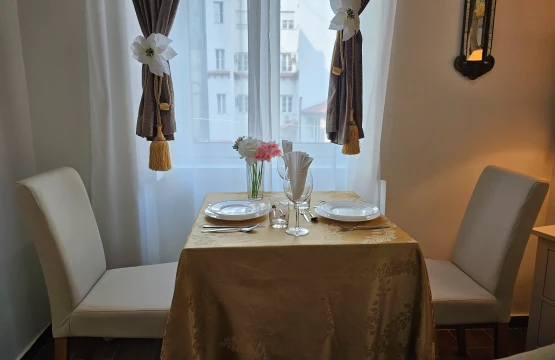
Unique Places to Stay in Belgrade
- November 3, 2026
- Blog
Looking for unique places to stay in Belgrade? Historic buildings, river stays, design apartments and an art-filled building in the Old Town,... Read More


Every great city has a handful of landmarks that define it, and Belgrade is no exception. From an ancient fortress overlooking two rivers to one of the largest Orthodox churches in the world, the city’s top attractions tell the story of a place that has been fought over, rebuilt and reinvented for more than two thousand years. Knowing what each landmark offers, how long to spend there and when to visit helps you see more and rush less.
This guide covers the top attractions in Belgrade that every visitor should know, with practical tips for each: what makes it special, how much time to allow, whether it is free and how to get there from the center. We send our guests to these places every week from our Old Town apartments, so the tips are based on real feedback.
If you are wondering which Belgrade attractions to put on your list, start here.
The Belgrade Fortress is the city’s most important historic site. Built and rebuilt over centuries by Romans, Byzantines, Serbs, Hungarians, Ottomans and Austrians, it sits on a ridge above the confluence of the Sava and Danube. Today you can explore its walls, gates, towers and moats, many of which date from the 18th century.
Allow two to three hours to see the upper and lower towns. The grounds are free, while some museums and attractions inside charge a small fee. The fortress is a short walk from Knez Mihailova and Kosančićev Venac.
Kalemegdan Park surrounds the fortress and is one of the city’s largest green spaces. Shaded paths, monuments, benches, cafés and viewpoints make it perfect for a stroll at any time of day. The Victor monument, standing on a tall column above the rivers, is one of Belgrade’s best-known symbols.
Kalemegdan is busiest at sunset, when crowds gather on the walls to watch the sky light up over the rivers. Our guide to staying near Kalemegdan has more tips on the park and fortress.
Knez Mihailova is Belgrade’s main pedestrian street, running from Republic Square to Kalemegdan. Its 19th-century buildings, shops, cafés and street performers make it the heart of city life. The building of the Serbian Academy of Sciences and Arts is one of its architectural highlights.
You can walk the street in fifteen minutes, but most people take much longer, stopping for coffee, browsing bookshops and admiring the facades. Read our guide to staying near Knez Mihailova.
Republic Square is Belgrade’s main meeting point, centered on the equestrian statue of Prince Mihailo. On one side stands the National Museum, home to Serbia’s most important art and archaeology collections. On another is the National Theatre, where opera, ballet and drama are performed.
Allow two hours for the National Museum, and check opening days, as many museums close on Mondays. An evening at the National Theatre is a memorable way to experience Belgrade’s cultural life.
The Temple of Saint Sava in Vračar is one of the largest Orthodox churches in the world and a symbol of the city. Its white marble exterior and green domes are impressive, but the interior is the true highlight, covered in shimmering gold mosaics. The crypt beneath is equally richly decorated.
Entry is free. Allow about an hour, dress respectfully and avoid visiting during services if you are only sightseeing. The temple is a 25 to 30-minute walk or short bus ride from Republic Square.
Skadarlija is Belgrade’s bohemian quarter, a short cobbled street lined with traditional kafanas, some dating back to the 19th century. In the evenings, musicians play old city songs between the tables, creating a nostalgic, festive atmosphere.
Visit for dinner, ideally on a warm evening when the terraces are full. It is a few minutes’ walk from Republic Square.
Kosančićev Venac is one of the oldest parts of Belgrade, with cobbled, curving streets and 19th-century houses. Here you will find the Cathedral Church of Saint Michael the Archangel, the Patriarchate building and the Residence of Princess Ljubica, a 19th-century palace that is now a museum.
Allow an hour or two to wander and visit the Cathedral and residence. The area is right between Knez Mihailova and the Sava.
The Museum of Yugoslavia, in the leafy Dedinje area, tells the story of the former Yugoslav state. The House of Flowers holds the tomb of Josip Broz Tito, and exhibitions explore the country’s political and cultural history.
Allow two hours, and take a bus or taxi from the center. It is one of the most interesting attractions for understanding the Balkans in the 20th century.
The Nikola Tesla Museum is dedicated to the famous Serbian-American inventor, with personal belongings, documents and demonstrations of his inventions. A new museum building is planned for the future, so check the current location and opening hours before you visit.
Saint Mark’s Church, with its striking red and cream facade in the Serbian-Byzantine style, stands in Tašmajdan Park near the National Assembly. The park is a pleasant green space, and the church makes a good stop between the center and Vračar.
The grand National Assembly building, with its dome and monumental staircase, is one of Belgrade’s most impressive pieces of architecture. Even if you do not go inside, it is worth seeing from the outside, especially when lit up at night.
Zemun, once a separate town on the Austro-Hungarian side of the border, has narrow streets, a riverside promenade on the Danube and the Gardoš Tower, offering wide views over the city. It is a short bus ride from the center and perfect for an afternoon and a fish dinner. Read our Zemun guide for more.
Ada Ciganlija is a river island with a lake, beaches, sports facilities and cafés, beloved by locals in summer. It is a great place to swim, cycle, relax or try water sports.
South of the city on Avala mountain, Avala Tower offers panoramic views over Belgrade and the countryside. Combined with forest walks, it makes a refreshing half-day trip.
The Belgrade Waterfront development along the Sava includes modern towers, a large shopping mall and a long riverside promenade. It is a pleasant place for an evening walk, especially at sunset.

A little planning makes sightseeing in Belgrade far more enjoyable. Start early at the most popular places, such as the fortress and the Temple of Saint Sava, to enjoy them before tour groups arrive. Late afternoon is another good window, especially at Kalemegdan, where you can explore and then stay for sunset.
Wear comfortable shoes, because many attractions involve slopes, steps and cobblestones, particularly around the fortress, Kosančićev Venac and Zemun. In summer, carry water and plan indoor visits, such as museums, for the hottest part of the day. In winter, dress warmly for windy viewpoints along the rivers.
Finally, mix famous landmarks with quieter discoveries. Some of the most memorable moments come from wandering the side streets between attractions, stopping in a neighborhood café or chatting with a local. Staying centrally lets you return to your apartment between visits, so you can pace your days and enjoy each place without rushing.
Many of Belgrade’s top attractions are within walking distance of each other in the Old Town: the fortress, Kalemegdan, Knez Mihailova, Republic Square, Skadarlija and Kosančićev Venac can all be seen in one or two days. The Temple of Saint Sava, the Museum of Yugoslavia, Zemun, Ada Ciganlija and Avala need a short bus or taxi ride. Public transport has been free for all passengers since January 2025.
Our guide to the 25 best things to do in Belgrade adds more experiences, from food to nightlife.
Vansvel Boutique Apartments is perfectly placed for Belgrade’s top attractions. Our building at Maršala Birjuzova 12, between Kosančićev Venac and Zeleni Venac in the Old Town, is a short walk from the fortress, Kalemegdan, Knez Mihailova, Republic Square and the Cathedral. The free airport bus 72 stops nearby at Zeleni Venac.
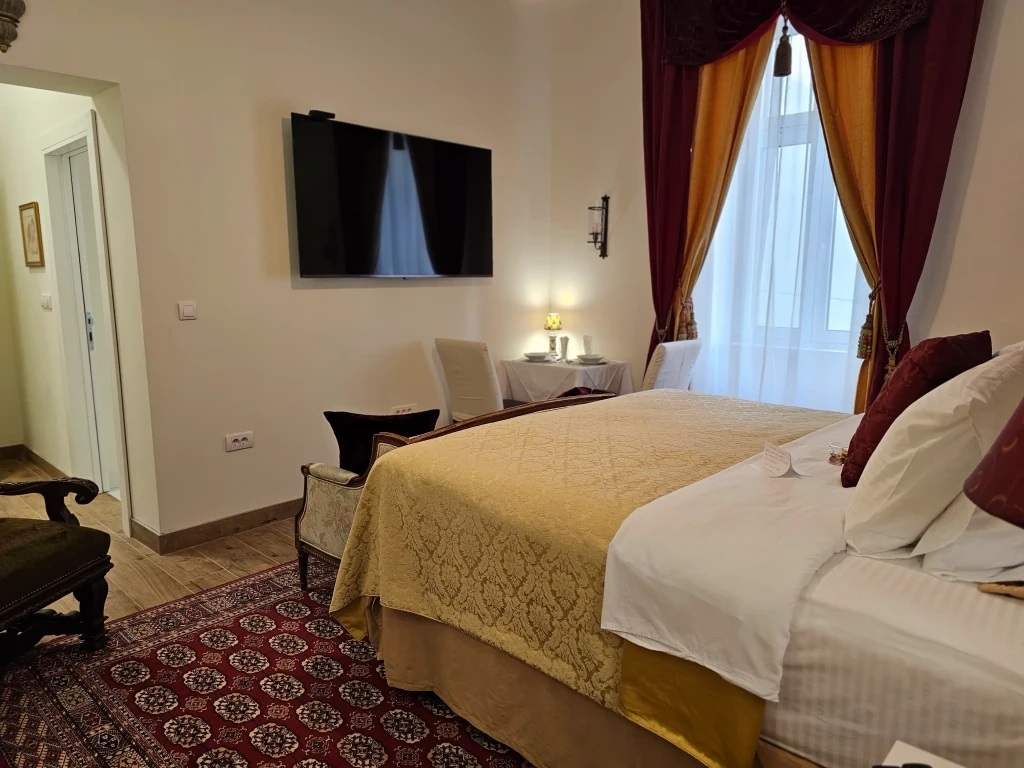
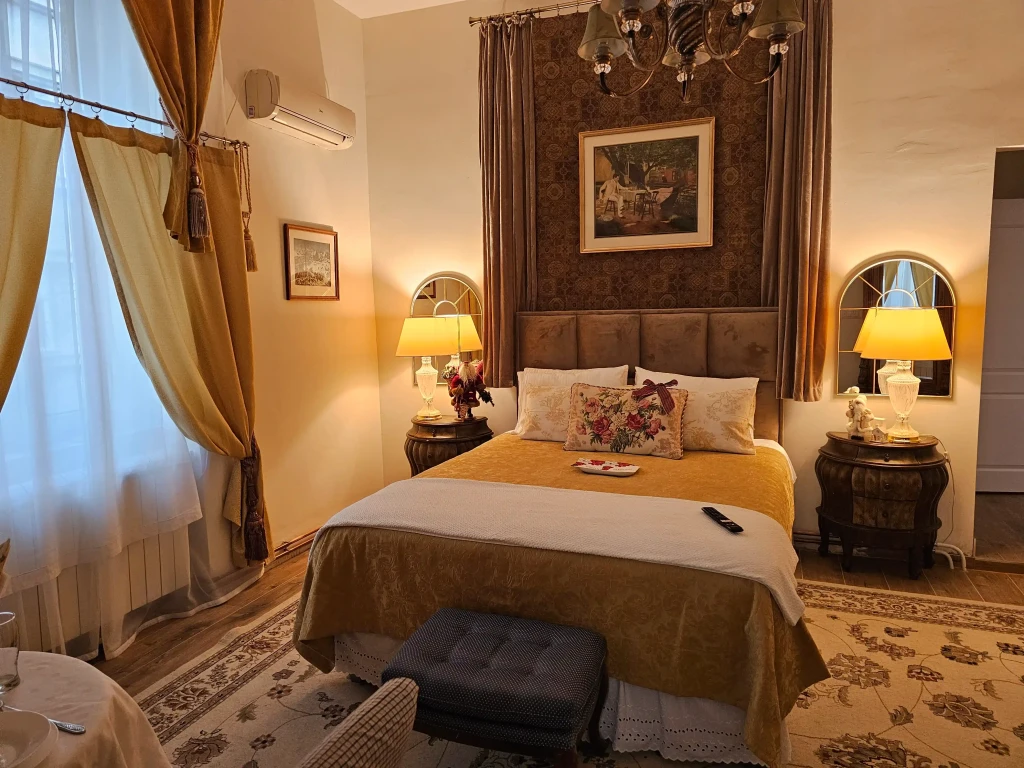
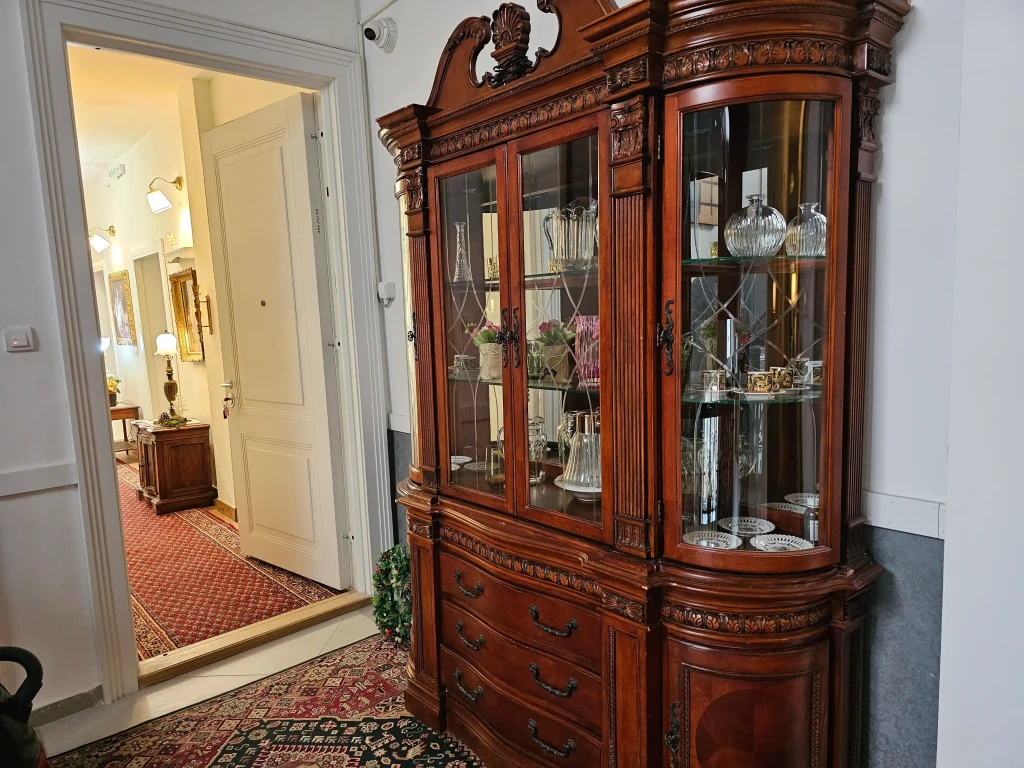
Our studios, one-bedroom apartment and queen rooms all have air conditioning and free Wi-Fi, and the studios and one-bedroom apartment include a full kitchen and washer-dryer. The building is filled with hand-painted ceilings, antiques and original art created over more than twenty years by co-owner and art historian Slavica Bjelica. Explore Unit #17 or Unit #12 and check availability.
The Belgrade Fortress and Kalemegdan Park are the most famous attractions, followed closely by the Temple of Saint Sava and Knez Mihailova Street.
Many are. The fortress grounds, Kalemegdan, Knez Mihailova, the Temple of Saint Sava and the river promenades are free, while museums charge modest entry fees.
You can see the Old Town highlights in one day, but two or three days let you include the Temple of Saint Sava, the Museum of Yugoslavia and Zemun at a relaxed pace.
Sunset at Kalemegdan, dinner in Skadarlija, the lit-up National Assembly and Temple of Saint Sava, and the river promenades are all lovely in the evening.
Many museums close on Mondays, so check opening days before you visit.
Belgrade’s top attractions, from the fortress and Kalemegdan to the Temple of Saint Sava, Skadarlija, museums and Zemun, reveal a city of remarkable history and character. Stay centrally, plan by area and leave time to linger at the places you love most.
If you would like to stay within walking distance of the city’s most famous landmarks, we would love to welcome you to the Old Town. Choose your dates and start exploring Belgrade.


Looking for unique places to stay... Read More
Why Kosančićev Venac is the best... Read More

Should you use Booking.com or book... Read More

Latest Comments