 by
Unique Places to Stay in Belgrade
- November 3, 2026
- Blog
Looking for unique places to stay in Belgrade? Historic buildings, river stays, design apartments and an art-filled building in the Old Town,... Read More


Belgrade is a city you can enjoy all year round, but each season offers a very different experience. Summer is hot, lively and full of river life, winter is cozy and festive, while spring and autumn bring mild weather that is perfect for exploring on foot. Knowing the best time to visit Belgrade for your interests helps you plan everything from what to pack to where to stay and what to book in advance.
In this season-by-season guide we look at Belgrade’s weather, the atmosphere in the city, the main festivals and events, crowd levels and practical tips for each time of year. We welcome guests in every season, so we have seen how the city changes from snowy January mornings to warm August nights on the river.
By the end, you will know which months suit your travel style and how to make the most of your trip whenever you go.
Belgrade has a continental climate with four distinct seasons. Summers are warm to hot, with many days above 30 degrees Celsius in July and August. Winters are cold, with temperatures often around freezing and occasional snow. Spring and autumn are mild and generally pleasant, though they can bring rainy spells.
One local weather feature worth knowing about is the košava, a strong, gusty wind that can sweep through the city, especially in autumn and winter. It can make cold days feel even colder, so a windproof layer is useful outside the summer months.
Here is a quick overview:
Spring is one of the loveliest times to visit Belgrade. As the weather warms, café terraces reopen, parks turn green and the city comes alive after winter. March can still be chilly, but April and May are usually mild and ideal for long walks around the Old Town, Kalemegdan Park and the riverside.
Spring is also a good time for culture. The city’s cultural calendar is busy, and the Belgrade Marathon usually takes place in spring, bringing runners and spectators to the streets. Orthodox Easter, which often falls on a different date from Western Easter, is an important family holiday, and you may notice special traditions and foods around that time.
Crowds are moderate, and you will usually find good availability in central apartments, though popular weekends and holidays still fill up.
Summer is Belgrade at its liveliest. Long, warm evenings bring everyone outside, terraces are full until late and the rivers become the center of social life. The floating venues known as splavovi are at their busiest, and locals head to Ada Ciganlija, a river island with a lake and beaches, to swim and cool off.
The main thing to prepare for is heat. July and August can be very hot, sometimes uncomfortably so in the middle of the day. Plan sightseeing for the morning and evening, take a long lunch or rest during the hottest hours, drink plenty of water and make sure your accommodation has air conditioning.
Summer also brings festivals and outdoor events, from concerts and open-air cinema to the Belgrade Beer Fest, which is usually held in August. Demand for accommodation is high, especially on weekends, so book early.
Early autumn is many locals’ favorite season. September is often still warm and sunny, but without the intense summer heat, making it perfect for walking, outdoor dining and day trips. October brings golden colors to Kalemegdan and the city’s parks, and the light is beautiful for photography.
Autumn is a strong season for culture. BITEF, the Belgrade International Theatre Festival, is traditionally held in the autumn, and the Belgrade Jazz Festival usually takes place later in the season. It is also harvest time, so markets are full of seasonal produce, and it is a lovely time to taste Serbian wines.
By November, temperatures drop and the days become shorter, but the city’s cafés, restaurants and wine bars make cooler evenings cozy and welcoming.
Winter in Belgrade is cold but atmospheric. Snow is possible, and the košava wind can make days feel bitter, but the city responds with warmth: festive lights, busy kafanas serving hearty dishes such as sarma, and plenty of cozy cafés.
The holiday season is especially lively. New Year’s Eve is a big celebration, and because the Serbian Orthodox Church follows the Julian calendar, Orthodox Christmas is celebrated on 7 January, and many people also mark the Orthodox New Year in mid-January. This means the festive spirit lasts longer than in many European cities.
Winter is also a great time for museums, theatre and concerts. FEST, the Belgrade International Film Festival, traditionally takes place in late winter. Outside the holidays, it is usually the quietest season for tourism, so you will find more availability.
The best time depends on what you want from your trip.
Late April to June and September to October offer the best balance of comfortable temperatures, long days and a lively atmosphere. These months are ideal for first-time visitors who want to explore on foot.
July and August are the peak months for outdoor nightlife, river clubs and summer events. Just be prepared for the heat.
December and early January bring holiday lights, celebrations and the unique double festive season of Western and Orthodox holidays.
Outside the holidays, January and February are usually the quietest months, and many attractions, museums and restaurants are less busy.
Packing the right clothes makes a big difference to your comfort.
Whatever the season, bring comfortable shoes for the Old Town’s slopes and cobblestones, and something a little smarter if you plan to visit the theatre or a nice restaurant.
Demand for accommodation in Belgrade changes through the year. Summer weekends, New Year and major events and concerts are the busiest times, and central apartments can sell out weeks in advance. Spring and autumn are popular too, especially on weekends.
If your dates are fixed, book as early as possible. If you are flexible, consider midweek stays or the quieter winter months. Always check that your apartment has air conditioning for summer and good heating for winter. For advice on choosing an area, see our guide to where to stay in Belgrade.
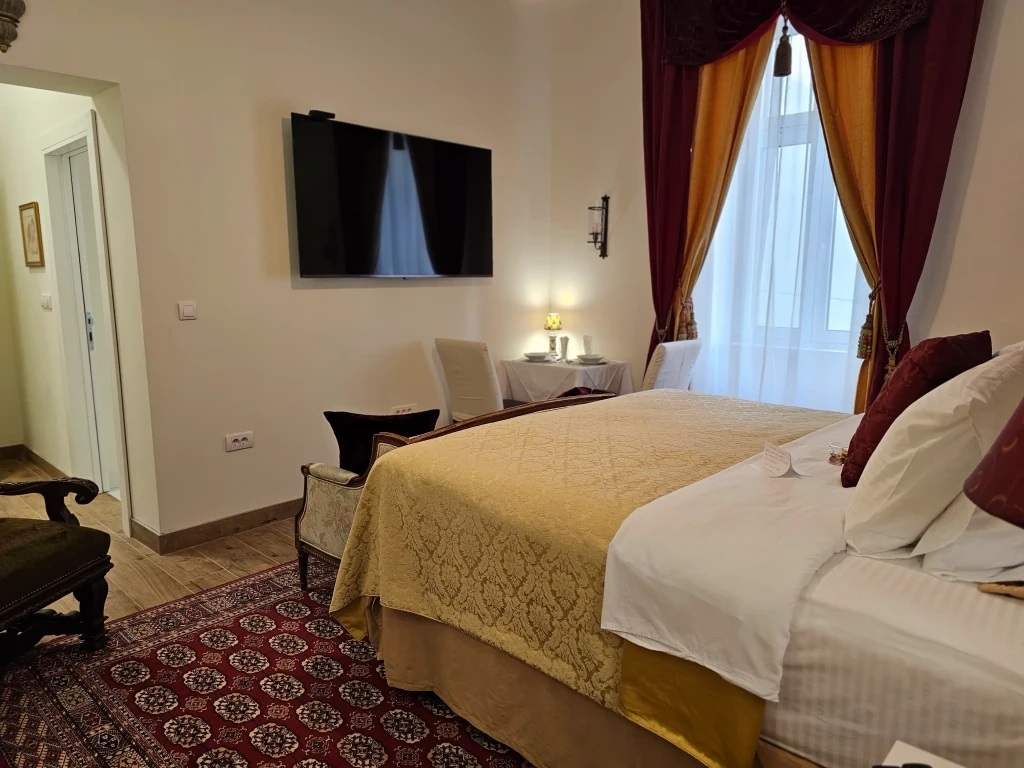
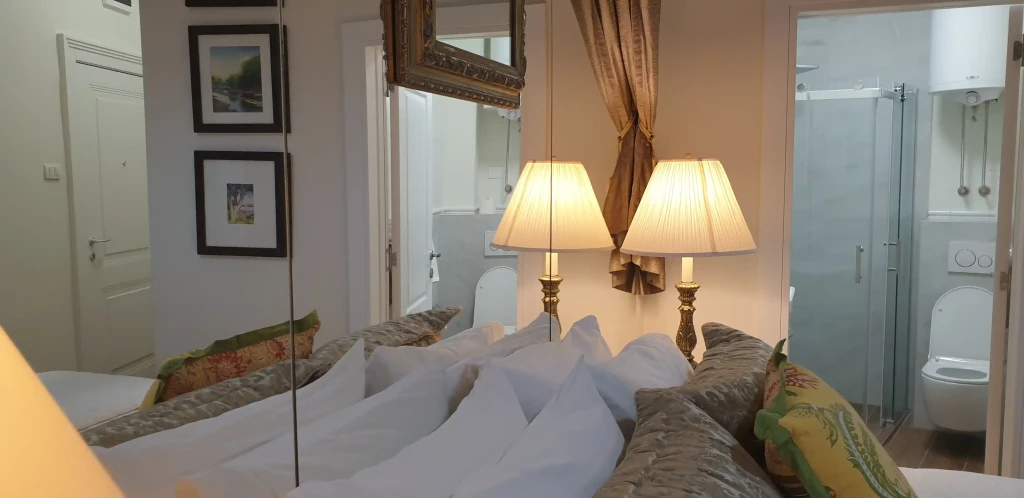
Whatever the season, Vansvel Boutique Apartments offers a comfortable base in the heart of the Old Town at Maršala Birjuzova 12, between Kosančićev Venac and Zeleni Venac. In summer, you can walk down to the Sava for sunset; in winter, you are minutes from cozy cafés, theatres and festive lights on Knez Mihailova.
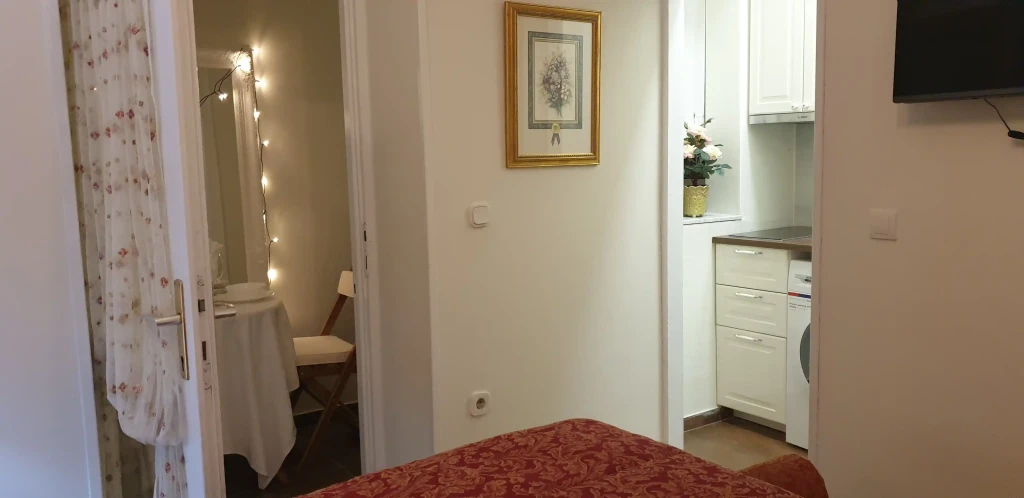
Every unit has air conditioning and free Wi-Fi, and our studios and one-bedroom apartment include a full kitchen and washer-dryer. The building, restored over more than twenty years by co-owner and art historian Slavica Bjelica, is full of hand-painted ceilings, antiques and original art. Explore Unit #12 or Unit #23 and check availability for your preferred season.
May, June and September are often considered the best months, with pleasant weather, long days and a lively atmosphere without the peak summer heat.
July and August are often hot, with many days above 30 degrees Celsius. Air conditioning and a midday rest are recommended.
Snow is possible in winter, especially in December, January and February, although it does not stay all season every year.
Orthodox Christmas is celebrated on 7 January, while 25 December is also marked by some residents. New Year’s Eve is a major celebration across the city.
Yes. Winter is cold, but the city is festive, cozy and less crowded, with plenty of museums, theatres, cafés and restaurants to enjoy.
There is no single best time to visit Belgrade, because every season has its own charm. Spring and early autumn are ideal for sightseeing, summer is perfect for river life and nightlife, and winter offers festive celebrations and cozy evenings. Choose the season that matches your style, pack accordingly and book early for busy dates.
Whenever you decide to come, we would love to welcome you to our art-filled apartments in the Old Town. Choose your dates and start planning your Belgrade trip today.


Looking for unique places to stay... Read More
Why Kosančićev Venac is the best... Read More

Should you use Booking.com or book... Read More

Latest Comments